Broad source base
Maintain useful diversity by drawing from established lines and carefully documented additions.
TILAPIA GENETICS FOR SOUTHERN AFRICAN PRODUCTION
Africa Tilapia Farm develops, maintains and supplies breeding populations selected through long-term practical aquaculture experience.
GENETICS MEETS THE FARM ENVIRONMENT
Growth performance is the result of genetics working together with temperature, dissolved oxygen, water quality, feed, stocking density and operator discipline. Even outstanding fish will underperform in an unsuitable system.
Our role is therefore broader than selling fish. Africa Tilapia Farm supplies the genetics, while Big Fish Systems designs the production environment needed to express that potential.
NILE TILAPIA PROGRAMME
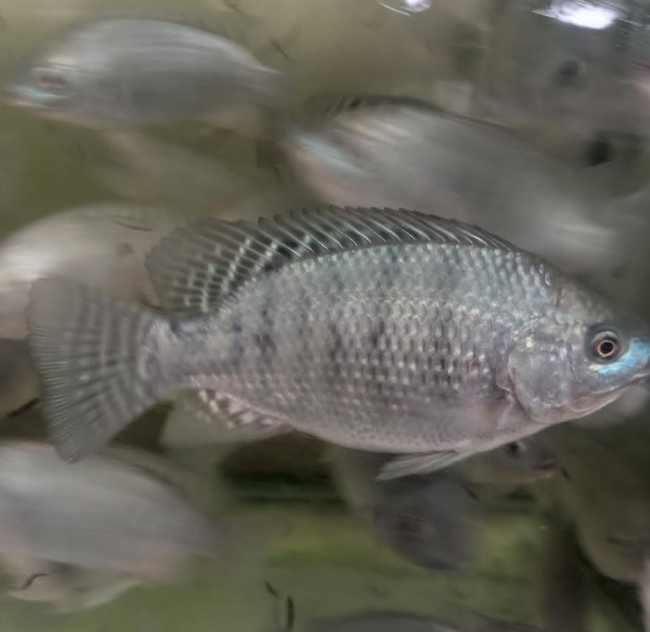
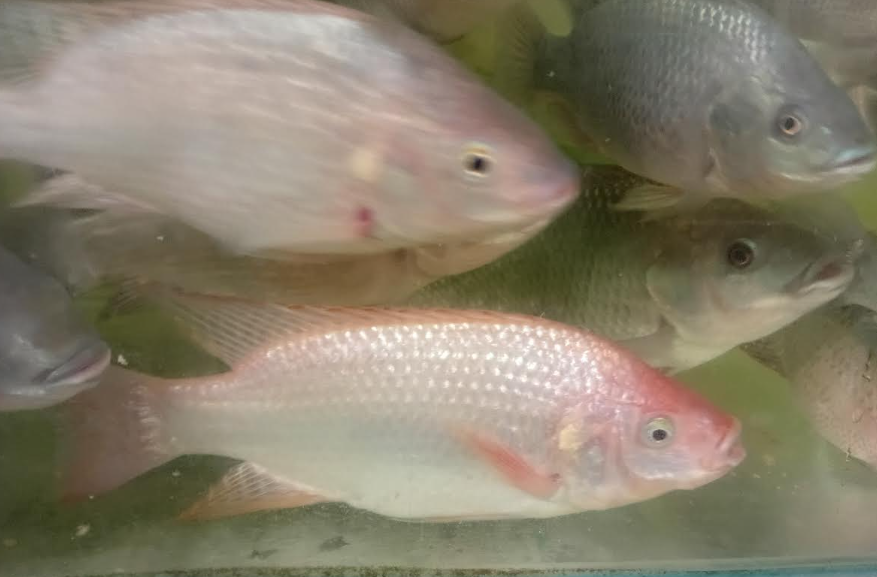
The SAINT programme is rooted in genetics derived from the internationally significant GIFT programme initiated by WorldFish. In 2012, Africa Tilapia Farm acquired GIFT-related stock from Nam Sai Farms in Thailand, together with the separate Big Nin line, which also traced back to GIFT-derived breeding.
Because those populations had been maintained independently, combining them created a broader base from which to select. Further compatible GIFT-related material was incorporated over time, while the programme continued selecting for practical production traits and strong phenotype.
MOZAMBIQUE TILAPIA PROGRAMME
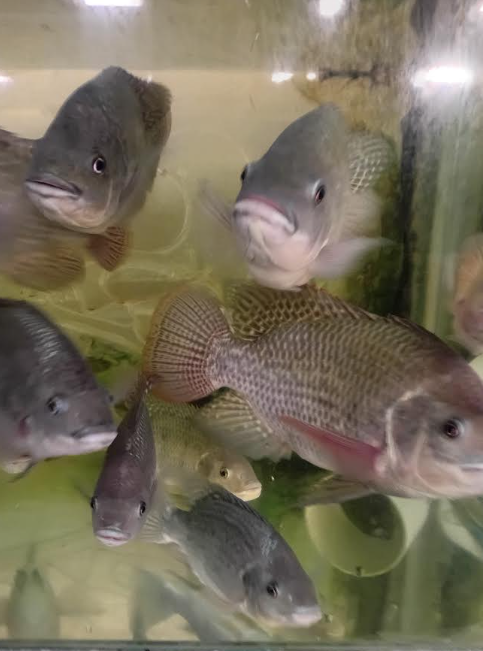
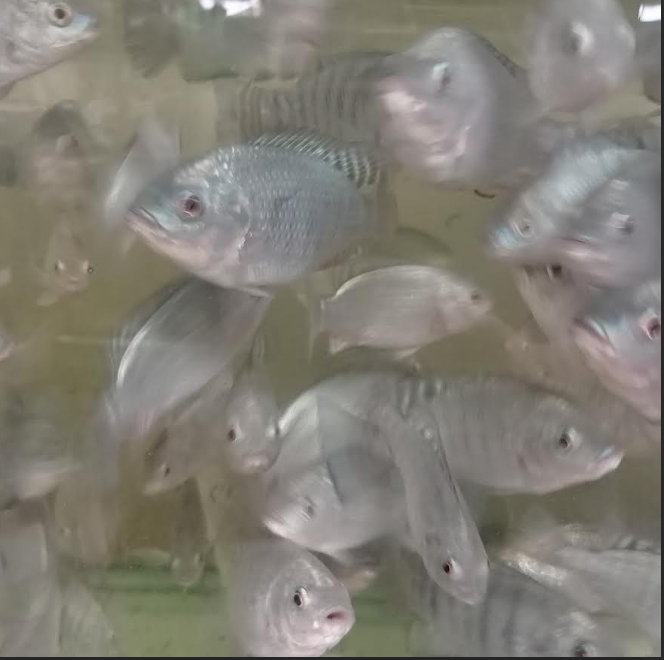
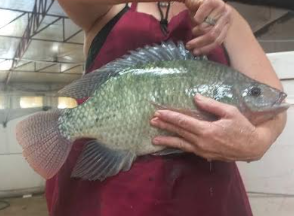
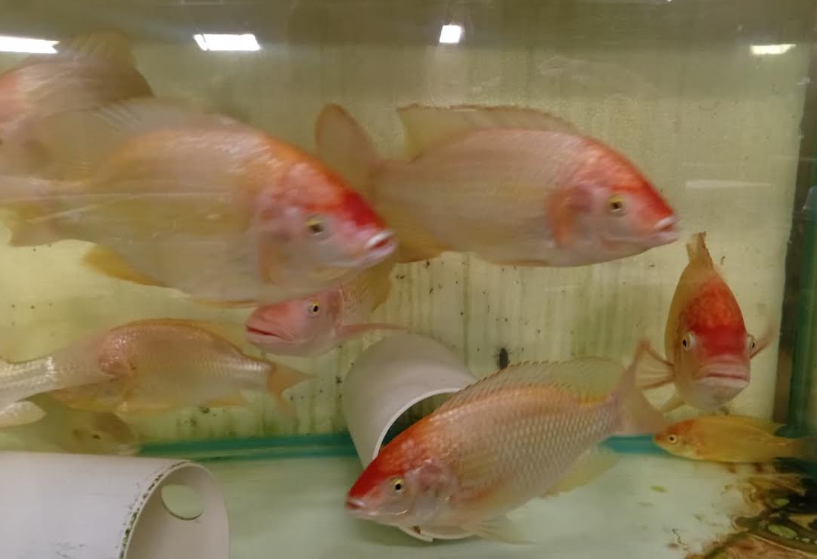
The SAIMT programme reaches back to approximately 1995, when Nile tilapia production was highly restricted in South Africa and local development centred on indigenous Oreochromis mossambicus.
Early stock was obtained through Stellenbosch University and developed using selection principles informed by the GIFT breeding manual. The base was subsequently supported by South African farm stocks and wild-origin Mozambique tilapia from different locations. Selection developed along both the traditional blue and red colour pathways while retaining a common Mozambique tilapia foundation.
The programme was reduced while Nile tilapia development expanded, then strengthened again shortly before COVID through the recovery and consolidation of additional genetic stock.
OUR SELECTION APPROACH
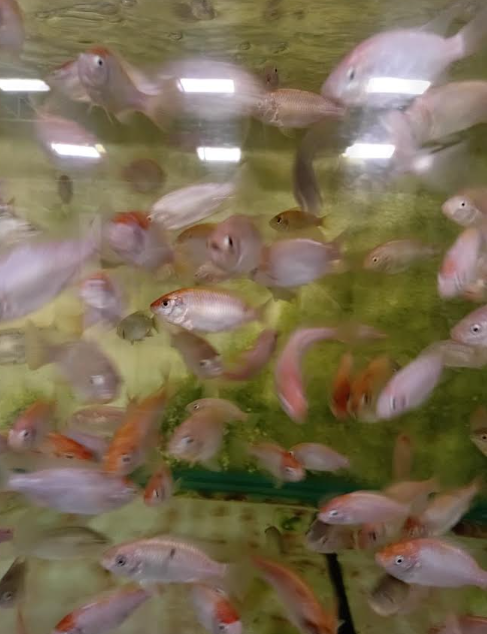
Large hatcheries may screen millions of fish. Our programme works with smaller next-generation groups and applies close operator attention to phenotype and recorded performance.
Maintain useful diversity by drawing from established lines and carefully documented additions.
Select for growth, body form, health, behaviour and practical farm performance.
Retain the exceptional candidates while using a wider supporting group to protect breeding numbers and diversity.
Use identification and production records to evaluate the broodstock rather than relying on appearance alone.
The strongest A-grade candidates lead the next generation, while suitable B-grade fish help maintain adequate breeding numbers. Females may mature or express growth differently from males; grading therefore supports the programme without narrowing it so severely that useful diversity is lost.
FROM APPEARANCE TO EVIDENCE
Production history, parent grouping, growth, spawning performance and replacement decisions build a clearer picture over generations. Physical identification and record keeping allow promising fish to be evaluated as breeding animals—not simply as attractive individuals.
BROODSTOCK & LIVE-FISH SUPPLY
Availability, quantities and species depend on season, permits, transport requirements and the production programme operating at the time of enquiry.
Two operations working hand in hand: one develops the fish, the other develops the environment in which the fish must perform.
START WITH THE PRODUCTION REQUIREMENT
Tell us the species, location, permits held, intended production capacity, hatchery experience and required delivery period. We can then advise whether a domestic colony, commercial broodstock package or full hatchery-development process is appropriate.