BIG FISH SYSTEMS · MODULAR TILAPIA FARMSPILOT · GROW-OUT · ALL-IN-ONE
STANDARDISED ENTRY POINTS · SITE-SPECIFIC ENGINEERING
Choose the scale. Then engineer the outcome.
Our farm modules give customers a clear place to begin. The equipment platform can be standardised, but the climate, building, water, energy and production plan must still be matched to the site.
THE MODULE IS THE STARTING POINTFinal design follows site assessment, water quality, climate, power resilience, operator ability and the required harvest.
DESIGN BACKWARDS FROM HARVEST
Customers need options they can understand.
Many enquiries begin with a tunnel size or a number of tanks, but neither defines a viable farm. A useful module connects the number of fish, water volume, biological treatment, monthly stocking, feed, energy and working space.
These formats make the first financial and operational comparison easier. They can then be resized, duplicated or connected to additional production stages.
FROM EGG TO STOCKING FISH
The hatchery is where the production chain begins.
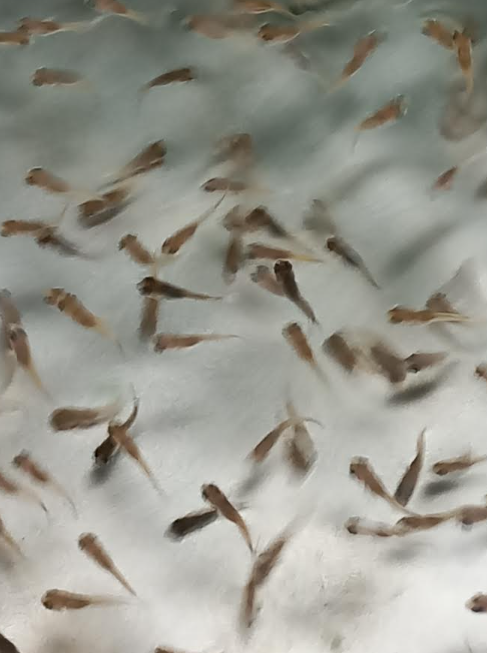
Broodstock are inspected, eggs are collected and incubated, and the resulting fry move through tightly managed early-life stages. These are practical photographs from the process—not generic stock imagery.
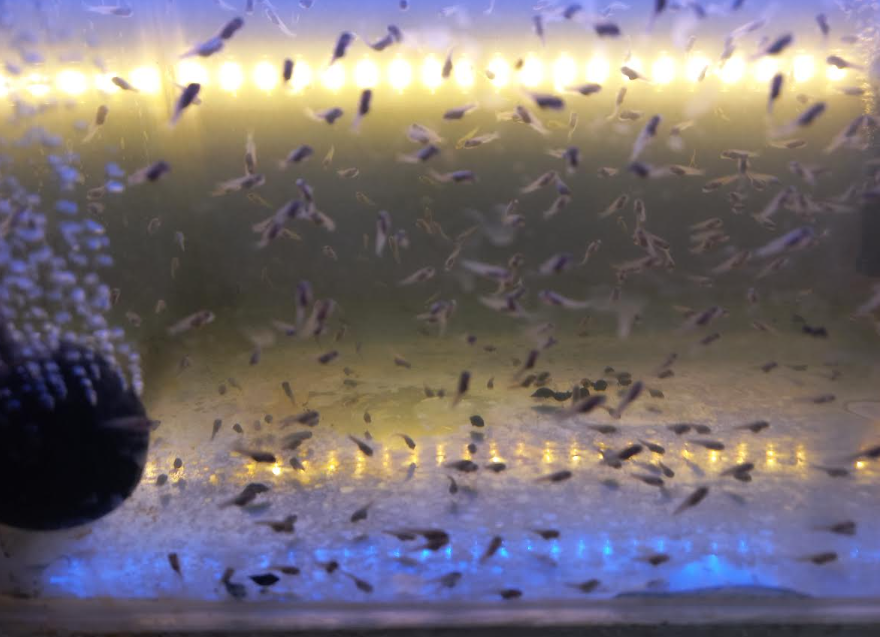
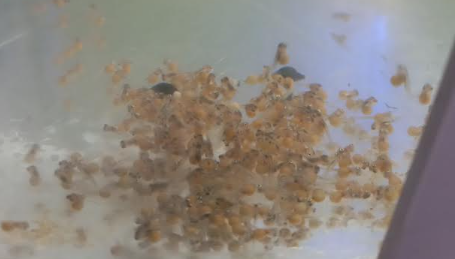
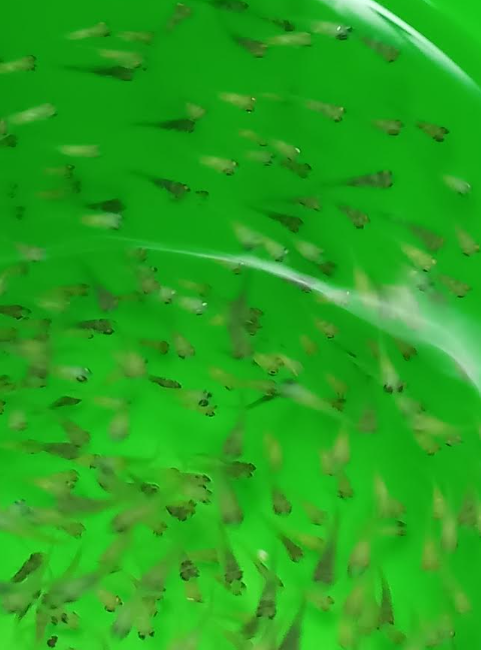
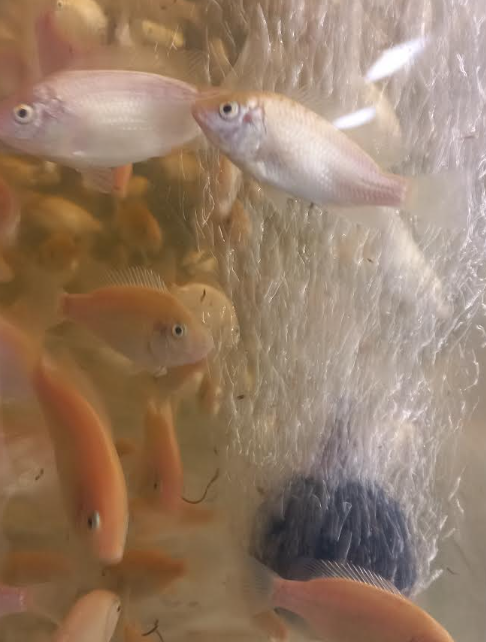
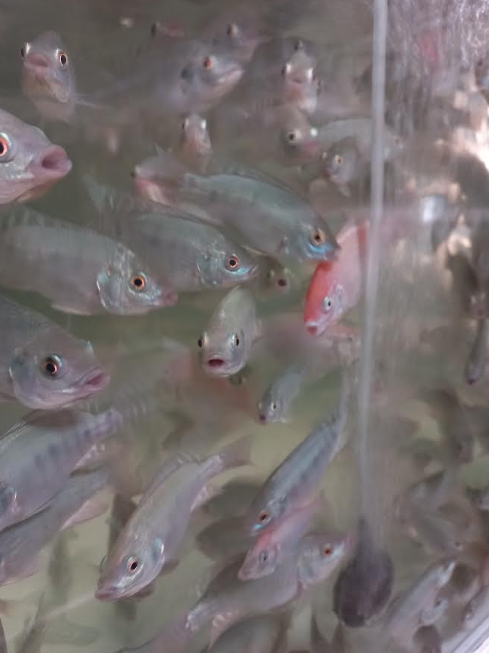
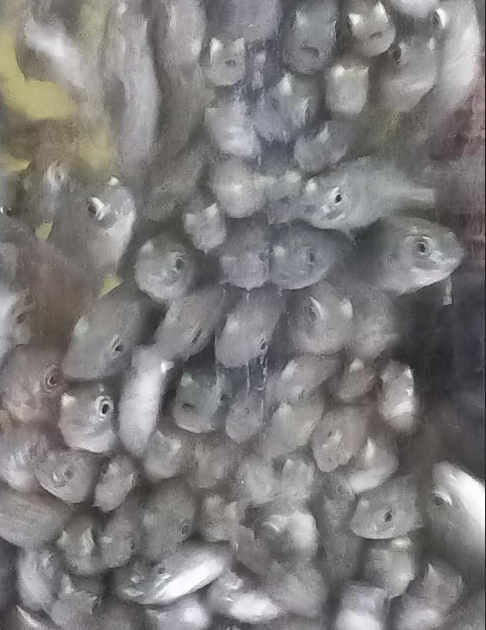
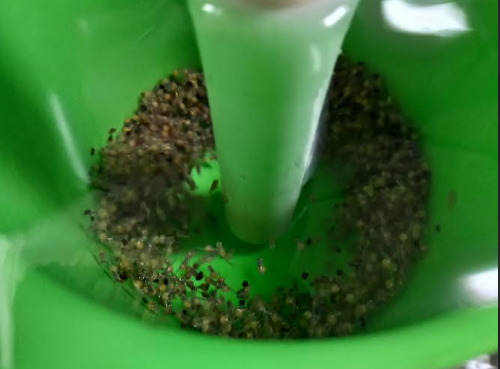
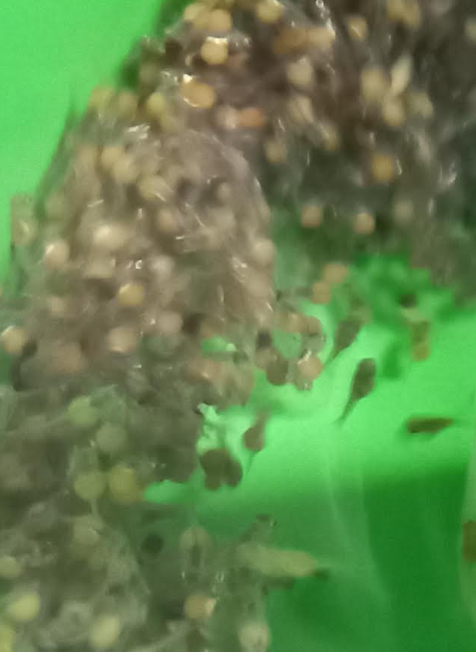
Female inspection→Egg collection→Incubation→Sex reversal→Fry grading→Fingerlings
WHY EIGHT GROW-OUT TANKS?
One tank for each month in the cycle.
Starting with 10–20 g fingerlings, a planning period of approximately eight months provides a practical baseline for bringing a cohort towards a chosen market size. Separating age groups makes feeding, grading, health observation and harvesting easier.
M1M2M3M4M5M6M7M8MONTHLY
ROTATION
ROTATION
THE BUILDING IS PART OF THE FARM
Same module. Different climate protection.
A technically sound fish system can still fail in the wrong thermal environment. Housing is chosen for the coldest operating period, not the best summer day. Explore aquaculture buildings and climate control →
REFERENCE FOOTPRINTS
Layouts already developed.
These examples show how tank diameter changes the building footprint, working space and overall investment.
8 m × 15 m
Eight 3 m tanksCompact SunTrap grow-out module with a central working aisle.
Reference total R420,34410 m × 20 m
Eight 4 m tanksApproximately 124 m³ of grow-out water in the established reference layout.
Quoted to site requirementsTwo modules
Sixteen 4 m tanksTwo tanks can move through the monthly harvest-and-restock rhythm after establishment.
Reference total R1,415,024Reference values originate from specific preliminary quotations and are not a current universal price list. No VAT is currently charged. Final scope, pricing and validity must be confirmed.
BEFORE A MODULE BECOMES A WORKING FARM
The site must be ready.
Performance depends on temperature, dissolved oxygen, water quality, genetics, fish health, feed, stocking density and management. Heating, flues, fire safety, solar, storage and site works require separate professional sizing where applicable.
CHOOSE THE CORRECT STARTING POINT
What must the module produce?
Send us the site location, available footprint, water source, power supply, target fish size, monthly production objective and investment range.